






Introduction
In today’s fast-paced world, food has become more than just sustenance—it is a window into a region’s history, culture, and way of life. Across the globe, major cities are renowned not only for their iconic landmarks but also for their diverse and vibrant food scenes. For food lovers and travelers alike, these cities offer an extraordinary opportunity to explore the flavors that shape local traditions and lifestyles.
The concept of a city food guide isn’t new, but it’s gaining increasing popularity as tourists seek authentic culinary experiences that go beyond mere dining. From street food stalls to Michelin-starred restaurants, every corner of a city reveals a hidden food treasure, waiting to be discovered. This guide delves into some of the world’s most celebrated culinary capitals, highlighting the unique dishes, flavors, and food cultures that define these cities. It offers both practical recommendations and insights into the cultural significance of the meals, ingredients, and techniques that shape these urban culinary landscapes.
Exploring Culinary Cities Across the World
1. Bangkok, Thailand: The Heart of Street Food
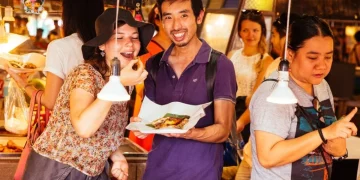
Bangkok is a city that pulses with energy, and nowhere is that more evident than in its food scene. Thailand’s capital has long been hailed as one of the best street food destinations in the world. The streets of Bangkok are lined with vendors serving aromatic, spicy, and flavor-packed dishes that provide a sensory overload. The food here is reflective of Thailand’s rich culinary history, combining Thai, Chinese, and Indian influences.
- Pad Thai: This iconic stir-fried noodle dish, typically made with rice noodles, shrimp, tofu, peanuts, and tamarind sauce, is a must-try for any visitor.
- Som Tum: A spicy green papaya salad that embodies the balance of sweet, sour, salty, and spicy flavors that define Thai cuisine.
- Tom Yum Goong: A hot and sour shrimp soup, often considered the epitome of Thai flavor, with lemongrass, lime leaves, galangal, and chili.
- Mango Sticky Rice: A beloved dessert that combines coconut-infused sticky rice with sweet, ripe mango.
Bangkok’s street food offers more than just tasty meals—it provides a deeper understanding of the cultural fabric of Thailand. The bustling food markets, such as Chatuchak or Yaowarat (Chinatown), showcase the country’s regional diversity, with each area offering its own unique specialties. Whether you’re indulging in a bowl of noodles or savoring grilled meats on a stick, food in Bangkok is an essential part of the city’s identity and vibrancy.
2. Barcelona, Spain: The Charm of Mediterranean Flavors
Barcelona is a city that combines rich history with modern sensibilities, and its food scene is no exception. Located along Spain’s Mediterranean coast, Barcelona’s culinary landscape is marked by its use of fresh, local ingredients, and a deep-rooted tradition of Mediterranean cooking. The city’s restaurants offer an impressive blend of classic Spanish dishes and Catalan specialties.
- Paella: While this dish is associated with Valencia, Barcelona serves up some of the best seafood paellas, showcasing the bounty of the Mediterranean.
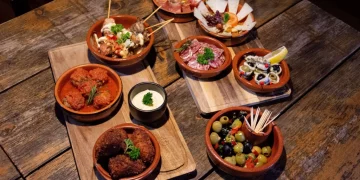
- Tapas: Small, shareable plates that allow diners to sample a variety of flavors. Common tapas in Barcelona include patatas bravas (fried potatoes with spicy tomato sauce), pan con tomate (bread rubbed with tomato, garlic, and olive oil), and jamón ibérico (cured ham).
- Crema Catalana: A rich custard dessert similar to crème brûlée, topped with caramelized sugar, and often flavored with orange or lemon zest.
The city’s culinary scene is deeply intertwined with its cultural identity, where food is celebrated as an expression of its Mediterranean heritage. La Boqueria Market, one of the most famous markets in the city, is a great place to experience the vibrant produce, fresh seafood, and unique spices that define Barcelona’s cuisine. Food tours in the city offer tourists an opportunity to explore the local flavors and understand the centuries-old food culture that has evolved here.
3. Paris, France: The Epitome of Fine Dining and Pastry
Paris is synonymous with gastronomy, and its culinary offerings are considered the gold standard of refined cooking. From world-renowned bakeries to Michelin-starred restaurants, Paris is a paradise for food lovers who appreciate the artistry and technique behind French cuisine. Parisians take their food seriously, and every meal is an occasion for indulgence and celebration.
- Croissant: A quintessential French pastry, flaky and buttery, the croissant is a staple breakfast item enjoyed with coffee at any of Paris’s iconic cafés.
- Boeuf Bourguignon: A slow-cooked beef stew with red wine, mushrooms, and onions, this dish showcases the French mastery of slow cooking and depth of flavor.
- Escargots de Bourgogne: Snails prepared with garlic, parsley, and butter, a delicacy that might seem unusual but is beloved by the French.
- Macarons: Delicate, colorful almond meringue cookies filled with flavored ganache, these treats are iconic in Parisian pastry shops.
While the food culture in Paris is often associated with fine dining, the city also boasts vibrant markets, where fresh produce, cheese, and charcuterie create the essence of everyday French food culture. The Marché des Enfants Rouges, the oldest market in Paris, offers a beautiful sampling of local produce, artisanal goods, and international influences, with vendors serving Moroccan tajines, Italian pasta, and French wine.
Food is an integral part of the Parisian lifestyle, and experiencing the city’s culinary diversity offers visitors a chance to understand the importance of food in French culture. From the simplest croissant to the finest gourmet meals, Paris remains one of the world’s greatest culinary destinations.
4. Tokyo, Japan: The Art of Japanese Cuisine
Tokyo, the world’s most populous metropolis, is also one of the most celebrated cities for gourmet food. Known for its mastery in sushi, ramen, and kaiseki (traditional multi-course meals), Tokyo’s food scene is a reflection of Japanese precision, seasonality, and simplicity.
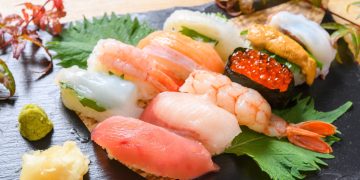
- Sushi: Tokyo is home to some of the best sushi restaurants in the world, including Sukiyabashi Jiro, where the art of sushi is taken to a meticulous level of perfection.
- Ramen: The city offers an astounding variety of ramen, from soy-based broths in Shoyu ramen to creamy tonkotsu ramen made from pork bones.
- Tempura: Lightly battered and deep-fried seafood and vegetables, this dish exemplifies Japan’s commitment to achieving the perfect crispness and balance of flavors.
- Matcha-based Desserts: Tokyo offers a wide range of matcha-flavored sweets, from cakes to ice creams, showcasing Japan’s rich green tea culture.
Tokyo is a city that values quality ingredients and exquisite presentation. In many ways, Japanese cuisine is built around the principles of seasonality and balance—a philosophy that underscores every dish. The city’s Tsukiji Market (until its relocation) and Toyosu Market are ideal places to see Japan’s devotion to freshness and sustainability in the food supply chain.
5. Mexico City, Mexico: A Fusion of Flavors
Mexico City, one of the most dynamic culinary hubs in Latin America, offers a rich tapestry of flavors, combining indigenous ingredients with influences from colonial Spain, Africa, and beyond. The city is home to a vibrant food culture that includes street food, traditional markets, and upscale dining.
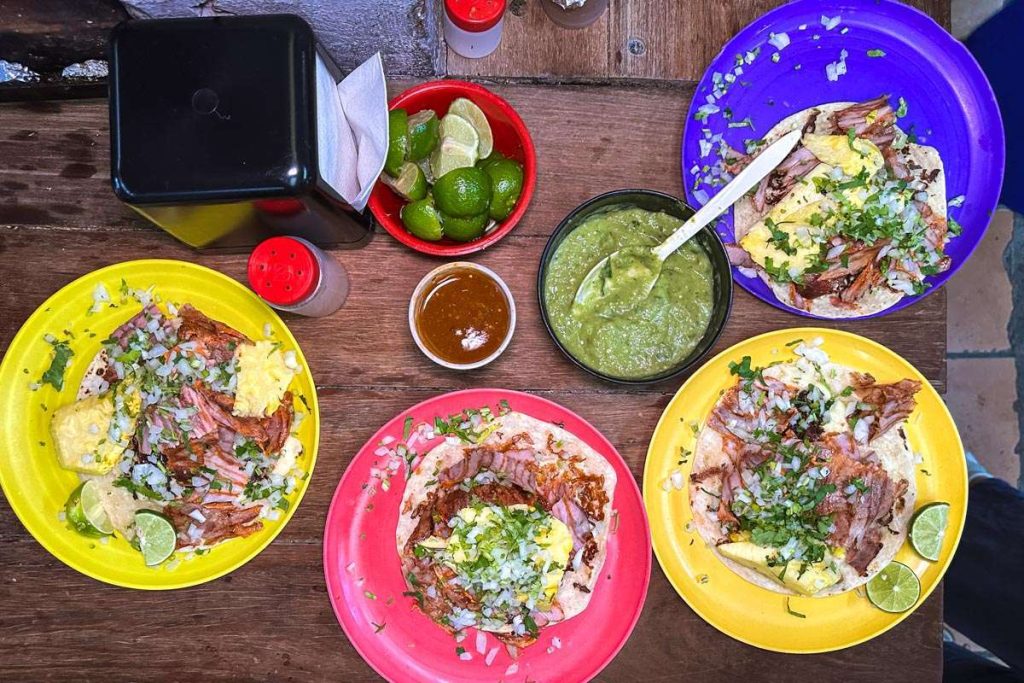
- Tacos al Pastor: Thinly sliced pork, marinated with pineapple and spices, served on soft corn tortillas—this beloved taco is a street food staple in Mexico City.
- Mole: A complex sauce made from chiles, chocolate, and various spices, served with meats or enchiladas, mole is one of the crowning achievements of Mexican cuisine.
- Tamales: Steamed masa (corn dough) stuffed with meats, beans, or vegetables, tamales are a cherished dish in Mexico, often enjoyed during festive occasions.
- Churros: Fried dough pastries, dusted with cinnamon sugar, often served with chocolate dipping sauce—a popular snack or dessert.
Mexico City’s local markets, such as La Merced and Xochimilco, are bursting with fresh ingredients, exotic fruits, and homemade tortillas, all contributing to the vibrant food scene. The fusion of traditional and modern flavors in the city’s restaurants makes it a culinary destination like no other.
Conclusion
Cities around the world offer a unique window into their culture, history, and traditions through their food. Whether it’s the spicy heat of Bangkok’s street food, the refined elegance of Parisian dining, or the diverse influences of Mexico City’s cuisine, each city’s food tells a story of identity, history, and creativity.
For travelers, food is more than just fuel—it’s a way to connect with a destination in a deeply personal and sensory way. As culinary tourism continues to rise in popularity, more and more people are embracing the opportunity to taste the world and explore the intricate layers of culture, tradition, and innovation that each city’s food scene offers.
So next time you’re traveling, make sure to look beyond the sights and dive deep into the culinary experiences of the city—your taste buds will thank you.