






Introduction
In Japan, the Obon Festival (お盆) is one of the most significant cultural and spiritual observances, a time when families honor the spirits of their ancestors and departed loved ones. Traditionally celebrated in mid-July or mid-August, depending on the region, Obon blends Buddhist teachings, Shinto traditions, and family customs into a vibrant festival that emphasizes ancestral reverence and spiritual connection.
At the heart of Obon are the ritual food offerings, known as osonaemono, which families prepare with great care. These offerings are placed on altars, surrounded by flowers, incense, and lanterns, serving as a bridge between the living and the dead. The food itself carries profound symbolic meanings: it is believed to nourish the visiting spirits, provide comfort, and honor their memory.
This article explores the historical origins, cultural significance, and culinary traditions of Obon, highlighting how food plays a pivotal role in spiritual communication. We also examine regional variations, modern adaptations, and the deeper meaning behind each traditional dish, illustrating the ways in which Obon continues to connect the living with their ancestral roots.
1. Historical and Spiritual Background of Obon
1.1 Buddhist Roots
Obon traces its origins to Buddhist practices introduced to Japan around the 8th century. It is based on the Urabon Sutra (Ullambana Sutra), which tells the story of Mokuren (Mahamaudgalyayana), a disciple of Buddha. He used his spiritual powers to see his deceased mother suffering in the realm of hungry ghosts and sought ways to relieve her suffering through offerings and prayers.
The ritual became a way for ordinary people to honor their deceased ancestors, ensuring that their spirits were nourished and their memory preserved. Over centuries, the practice evolved into a nationwide tradition, blending Buddhist rites with Shinto ancestral veneration, creating the uniquely Japanese Obon Festival.
1.2 Family and Community Significance
Obon is more than a religious ritual; it is a time for family reunions. In rural Japan, families often travel to their hometowns to visit ancestral graves and participate in communal celebrations. The belief that ancestors’ spirits return for a short period strengthens intergenerational bonds. Food offerings, prayers, and ceremonial dances (Bon Odori) create a shared experience that reinforces cultural continuity and family identity.
2. The Role of Food in Obon Rituals
2.1 Symbolism of Offerings
Food in Obon is highly symbolic. It represents nourishment for the soul, acts as a medium of gratitude and respect, and signifies the continuity of life. The offerings are not consumed by the spirits in a literal sense but serve as a spiritual gesture to welcome them back to the living world. Each item on the altar carries meaning, reflecting wishes for prosperity, longevity, and harmony.
2.2 Common Traditional Obon Foods
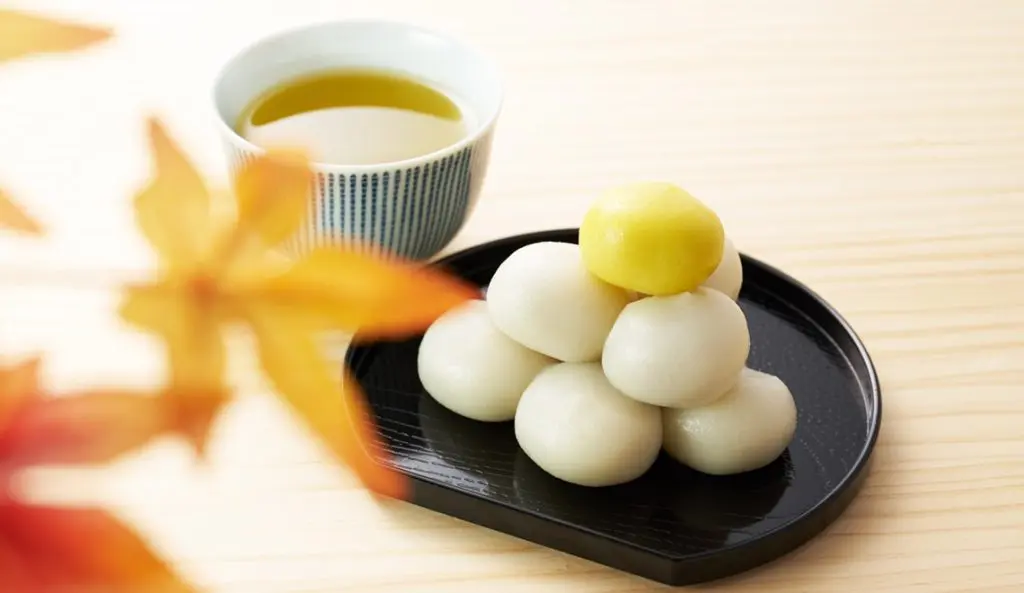
- Mochi (Rice Cakes)
- Round rice cakes symbolize eternity and completeness, reflecting the cyclical nature of life and death. Mochi is often offered on altars or used in ceremonial dishes.
- Seasonal Fruits
- Fruits like melon, peaches, and grapes symbolize abundance, gratitude, and the nourishment that sustains both the living and the spirits.
- Somen (Thin Wheat Noodles)
- Somen is associated with longevity and prosperity. Some families place small servings of chilled somen on the altar to honor visiting ancestors.
- Sweet Confections
- Kashiwa mochi (oak leaf-wrapped rice cakes), dorayaki (bean-filled pancakes), and other sweets are offered to show hospitality and sweeten the journey of spirits.
- Beverages
- Green tea, sake, and water are common offerings. Sake, especially, is seen as a purifying element, cleansing both the spirit and the ritual space.
- Konzatsu (Mixed Vegetables and Rice)
- Seasonal vegetables and rice dishes represent nature’s bounty and provide a balanced offering to nourish ancestral spirits.
2.3 Ritual Placement and Arrangement
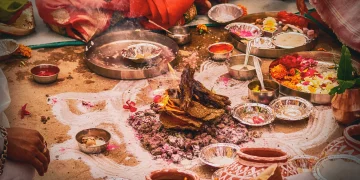
The preparation and arrangement of offerings are meticulous. Altars are adorned with flowers, candles, and incense, alongside the food. Lanterns (Bon Chochin) illuminate the space, symbolically guiding the spirits back to the household. The placement of food, with each item carefully positioned, reflects respect and mindfulness, as the living communicate their reverence through meticulous presentation.
3. Obon Rituals: Feeding the Spirits
3.1 Daily Offerings and Care
During Obon, food is refreshed daily to maintain its freshness and purity. Families may visit the altar multiple times a day to ensure that offerings are replaced, incense is burned, and prayers are recited. This ongoing attention symbolizes continuous respect and the living family’s commitment to their ancestors.
3.2 The Bon Odori and Communal Celebrations
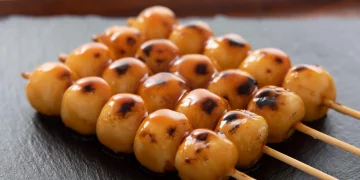
Food is closely tied to community rituals like Bon Odori, a traditional dance performed to welcome the spirits. During festivals, temporary food stalls may offer festival foods, including yakitori, takoyaki, and traditional sweets, blending communal celebration with spiritual observance. These foods serve as a bridge, connecting participants to both the spirits and the living community.
3.3 Sending Off the Spirits: Okuribi
The culmination of Obon is the sending-off ceremony (Okuribi), often involving floating lanterns (toro nagashi) or bonfires. Food remains a central part of this farewell ritual, symbolizing nourishment for the journey back to the spirit world. The act emphasizes the cyclical relationship between life and death, reinforcing the cultural belief in the continuity of the family and spiritual lineages.
4. Regional Variations in Obon Foods
While core elements remain consistent, regional variations in Obon foods reflect local traditions and agricultural products:
- Kyoto: Offers elaborate kaiseki-style dishes, highlighting seasonal ingredients.
- Okinawa: Includes tropical fruits and seafood, reflecting the island’s abundant marine resources.
- Northern Japan (Tohoku): Emphasizes hearty rice and vegetable dishes, often incorporating root vegetables that survive the colder climate.
These variations show how food serves as a cultural expression, shaped by geography, climate, and local customs, while remaining true to the spiritual purpose of Obon.
5. Modern Adaptations and Contemporary Practices
5.1 Urban Obon and Convenience Foods
In urban areas, busy schedules have led to adaptations in how food offerings are prepared. Pre-packaged sweets, ready-made rice cakes, and even convenience store items are sometimes used. While the ritual authenticity remains, these modern practices reflect changing lifestyles and the need for practicality.
5.2 Fusion Foods and Global Influence
Younger generations are experimenting with fusion dishes, integrating modern Japanese cuisine with international flavors. Despite this innovation, the symbolic intent of offerings—to honor and communicate with ancestors—remains unchanged.
6. The Deeper Meaning of Food in Obon
Food in Obon is not merely material sustenance; it embodies spiritual nourishment, cultural continuity, and interpersonal connection. Each rice cake, fruit, or sweet represents:
- Respect and Gratitude: Acknowledging ancestors’ contributions to the present.
- Spiritual Connection: Facilitating interaction with the departed.
- Cultural Identity: Preserving traditional practices and regional variations.
- Family Unity: Strengthening bonds through communal preparation and offering.
Through these practices, Obon serves as a living cultural heritage, where food acts as a bridge between worlds, connecting the temporal and the eternal.
Conclusion
The Obon Festival exemplifies how food can transcend the physical realm to convey spiritual, cultural, and familial significance. From the preparation of offerings to the ritualistic placement on altars, and from Bon Odori dances to the final sending-off of spirits, every element emphasizes the profound connection between the living and the dead.
By honoring ancestors through food, Japanese families express gratitude, respect, and remembrance, ensuring that the legacy of the departed is carried forward. Modern adaptations, while practical and innovative, continue to uphold the festival’s core spiritual principles.
In essence, Obon is a culinary and spiritual celebration, where food is much more than nourishment—it is a medium of communication, a symbol of continuity, and a vessel of cultural memory, ensuring that the presence of ancestors remains a cherished part of daily life.