






Introduction: The Dawn of the Automated Kitchen
The culinary world is on the brink of a technological revolution. With the rapid advancement of robotics, artificial intelligence (AI), and automation, kitchens are evolving from traditional human-operated spaces into fully automated environments. These futuristic kitchens promise to streamline operations, increase efficiency, and ensure consistency in food preparation, transforming both professional and domestic cooking landscapes.
Automated kitchens are no longer a distant dream. They are becoming increasingly feasible as robots gain dexterity, AI develops predictive capabilities, and sensors allow real-time monitoring of cooking processes. From ingredient selection to preparation, cooking, plating, and even cleaning, these kitchens have the potential to redefine how we think about food production.
1. The Concept of the Automated Kitchen
1.1 What Defines an Automated Kitchen?
An automated kitchen integrates robotic systems, AI algorithms, and sensor-based technology to perform culinary tasks traditionally handled by human chefs. These tasks can include:
- Ingredient selection and inventory management
- Washing, cutting, and preparing food items
- Cooking using precise temperature and timing control
- Plating and presentation of dishes
- Cleaning and sanitization of kitchen equipment
The primary goal of automation is to enhance efficiency, maintain consistency, and reduce human error, while also addressing labor shortages in the food service industry.
1.2 Key Components of an Automated Kitchen
- Robotic Arms and Cooking Units: Designed to handle precise movements such as chopping, stirring, and flipping.
- AI-Driven Cooking Algorithms: Capable of adjusting cooking times, temperatures, and seasoning based on dish type and ingredient quality.
- Sensor Integration: Monitors food temperature, texture, and moisture levels to ensure optimal cooking results.
- Automated Cleaning Systems: Robotic dishwashers and self-sanitizing surfaces maintain hygiene without human intervention.
2. Technological Innovations Driving Kitchen Automation
2.1 Robotics in Food Preparation
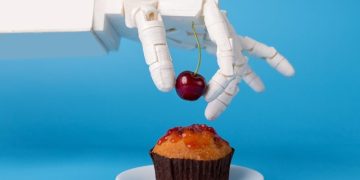
Robots in kitchens are no longer limited to repetitive industrial tasks. Modern culinary robots are capable of highly dexterous movements, allowing them to handle delicate foods such as vegetables, fish fillets, or dough. Some notable innovations include:
- Robotic chopping and slicing: Machines that can cut ingredients uniformly in seconds.
- Automated stir-fry and sauté stations: Robotic arms capable of tossing and stirring pans with precision.
- 3D Food Printers: Devices that can “print” food items, layering ingredients to create complex textures and shapes.
Robotics reduces the margin of error, improves consistency in cooking, and ensures dishes are prepared at optimal quality every time.
2.2 Artificial Intelligence and Machine Learning
AI is the brain behind automated kitchens. By analyzing recipes, ingredient quality, and user preferences, AI systems can make real-time adjustments during cooking. Key applications include:
- Predictive Cooking Adjustments: AI predicts the optimal cooking time for each ingredient based on its freshness and weight.
- Flavor Profiling: Machine learning algorithms analyze flavor combinations to enhance taste or replicate traditional dishes.
- Inventory Optimization: AI can monitor ingredient levels, forecast usage, and even reorder supplies autonomously.
2.3 Smart Sensors and IoT Integration
IoT-enabled sensors allow kitchens to monitor temperature, humidity, weight, and chemical composition of food. This data is transmitted to AI systems for analysis, ensuring that cooking processes are optimized for both safety and taste.
- Temperature sensors prevent overcooking or undercooking.
- Moisture sensors ensure baked goods or meats maintain the ideal texture.
- Gas and smoke sensors monitor safety conditions in real time.
2.4 Automated Cleaning and Sanitation
Sanitation is a critical aspect of professional kitchens. Automated kitchens employ self-cleaning ovens, robotic dishwashers, and UV-C sanitation robots to maintain hygiene standards. These systems reduce the need for human labor in cleaning tasks, improve efficiency, and ensure compliance with health regulations.
3. Applications of Automated Kitchens
3.1 Commercial Restaurants
Fast-food chains and high-volume restaurants benefit significantly from automation:
- Speed and Consistency: Robots can produce hundreds of meals with identical quality.
- Labor Shortages: Automation addresses staffing gaps during peak periods.
- Cost Efficiency: Reduces reliance on human labor and lowers operational expenses.
3.2 Cloud Kitchens and Food Delivery
The rise of cloud kitchens—delivery-only restaurants—aligns perfectly with automation:
- Centralized Production: Automated kitchens can handle large-scale food preparation without front-of-house space.
- Integrated Systems: AI predicts demand based on order trends, adjusting production schedules in real time.
- Reduced Human Contact: Enhances hygiene and safety in food preparation, particularly important during health crises.
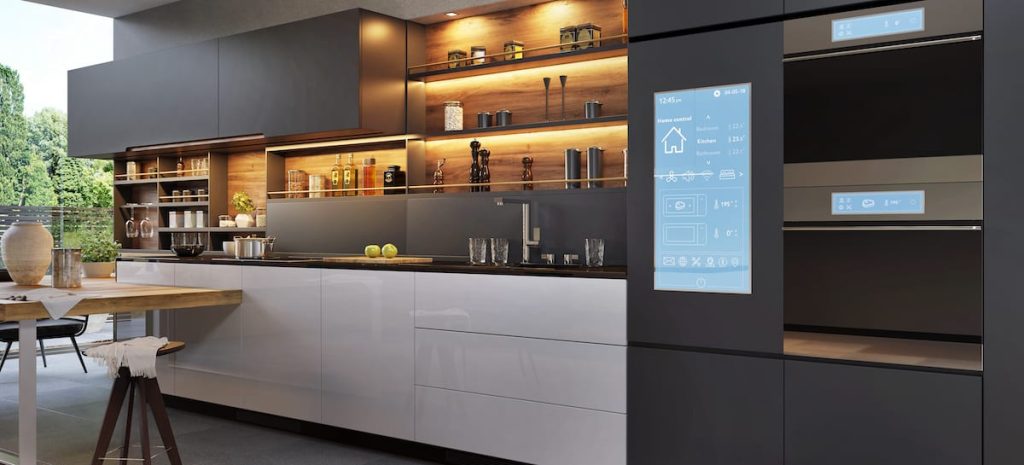
3.3 Domestic Smart Kitchens
Home kitchens are also adopting automation:
- Robotic Cooking Appliances: Machines that prepare complex recipes with minimal human input.
- Smart Ovens and Stoves: AI-controlled appliances adjust heat and time for perfect cooking results.
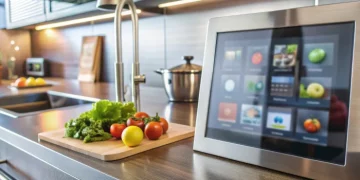
- Voice-Activated Assistants: Integrate with smart devices to guide users step-by-step through recipes.
4. Benefits of Kitchen Automation
4.1 Consistency and Quality
Automated kitchens ensure precise execution of recipes, eliminating variations caused by human error. Customers and home cooks alike benefit from reliable taste and presentation.
4.2 Efficiency and Speed
Robotic systems can work continuously without fatigue, significantly increasing throughput in high-demand environments. Meal preparation times can be reduced, leading to faster service and improved customer satisfaction.
4.3 Labor Optimization
Automation reduces the dependency on human labor for repetitive or physically demanding tasks. This allows chefs and kitchen staff to focus on creative culinary tasks, menu innovation, and customer engagement.
4.4 Safety and Hygiene
Automated systems reduce human contact with food and cleaning chemicals, minimizing risks of cross-contamination, injuries, and foodborne illnesses.
4.5 Data-Driven Operations
Integrated AI and sensors allow kitchens to collect valuable data on ingredient usage, cooking performance, and consumer preferences, enabling informed business decisions and menu optimization.
5. Challenges and Limitations
5.1 High Initial Investment
Automated kitchen systems require significant upfront costs, which may be prohibitive for smaller restaurants or home users.
5.2 Technological Limitations
Despite advances, some tasks remain difficult for robots, such as:
- Handling fragile or irregularly shaped ingredients
- Complex plating that requires artistic flair
- Adapting to unconventional recipes without pre-programming
5.3 Workforce Displacement
Automation may reduce the need for kitchen staff, raising ethical and social concerns about job loss in the foodservice industry.
5.4 Maintenance and Reliability
Robotic systems require regular maintenance and troubleshooting. Malfunctions can disrupt operations, making reliability a critical concern.
6. Future Trends in Automated Kitchens
6.1 Fully Autonomous Culinary Ecosystems
The ultimate goal is a fully autonomous kitchen where robots and AI handle every step, from ingredient sourcing to cooking and cleaning. Cloud-connected kitchens may communicate with suppliers to automatically replenish inventory based on real-time demand.
6.2 Personalized Dining Experiences
AI may enable hyper-personalized meals based on individual dietary preferences, allergies, and nutritional goals, preparing customized meals at home or in restaurants.
6.3 Collaborative Human-Robot Kitchens
Rather than replacing humans entirely, future kitchens may see collaborative systems where robots assist chefs, allowing humans to focus on creative and strategic aspects of cooking.
6.4 Integration with IoT and Smart Cities
Automated kitchens may become part of a broader smart city ecosystem, integrating with local food delivery, supply chains, and energy-efficient infrastructure.
Conclusion: Cooking in the Age of Automation
The era of robotic and AI-driven kitchens represents a transformative shift in the culinary world. By automating repetitive tasks, improving consistency, and enabling data-driven decision-making, these kitchens promise greater efficiency, safety, and personalization.
While challenges remain—such as technological limitations, high costs, and workforce displacement—the potential benefits for restaurants, cloud kitchens, and even home cooking are immense. As robotics, AI, and sensor technologies continue to evolve, the kitchen of the future will be smarter, faster, and more connected, fundamentally redefining how we prepare, enjoy, and experience food.