






Introduction: The Global Shift Towards Plant-Based Eating
In recent years, plant-based diets have moved from a niche lifestyle choice to a mainstream culinary trend that’s reshaping the way people think about food. The rise of plant-based dining—which includes vegan burgers, plant-based cheese, and a variety of other meat and dairy alternatives—has taken the world by storm. What was once considered a diet primarily for vegans or environmentally-conscious consumers has rapidly expanded to cater to a wider audience that includes flexitarians, health-conscious individuals, and even meat lovers who are exploring more sustainable alternatives.
The plant-based revolution is not simply about eliminating animal products, but rather about redefining how food can be innovative, sustainable, and nutritious. As consumers increasingly seek alternatives to traditional meat and dairy products, the food industry is responding with new, delicious, and nutritious innovations that are transforming the global food landscape.
In this article, we will explore the rise of plant-based dining, focusing on key products like the vegan burger and plant-based cheese, and examine how they have become central to the global dietary shift towards sustainability, health, and ethical eating.
1. The Vegan Burger: A Global Sensation
1.1 The Origins of the Vegan Burger
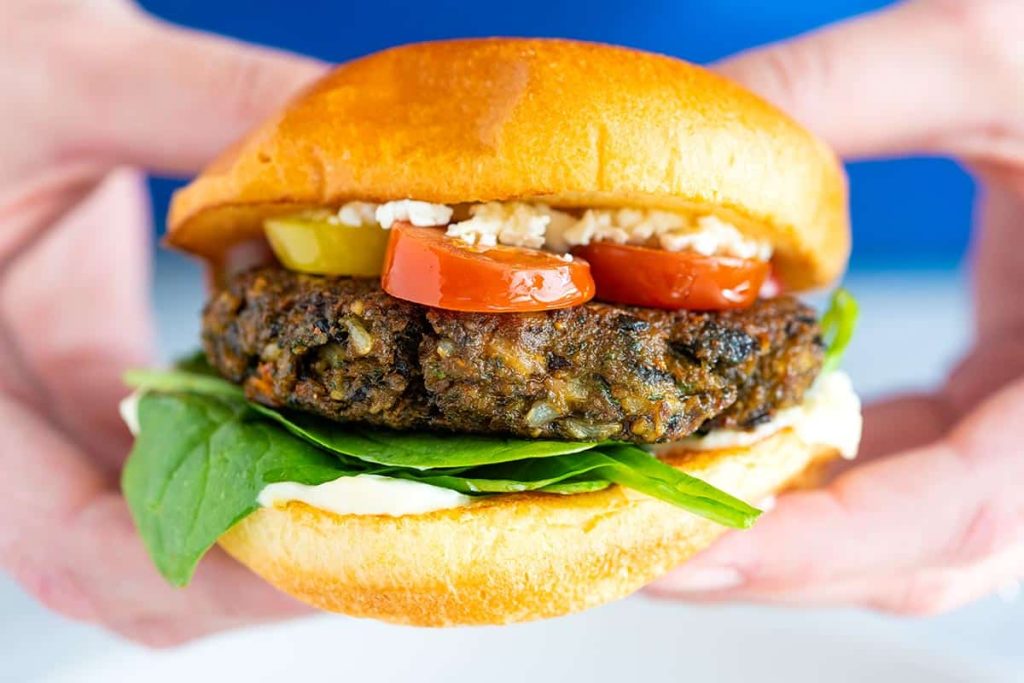
The vegan burger has become one of the most prominent symbols of the plant-based movement, replacing traditional beef patties with plant-based ingredients that mimic the taste, texture, and juiciness of meat. The vegan burger is not only a product of culinary creativity but also a response to growing concerns over the environmental, ethical, and health implications of animal agriculture.
Though vegetarian and vegan alternatives to burgers have existed for decades, the modern vegan burger has made a massive leap forward in terms of flavor and texture. The creation of plant-based burgers, such as Impossible Foods’ Impossible Burger and Beyond Meat’s Beyond Burger, marked a turning point in the plant-based movement. These burgers use ingredients like pea protein, soy, rice protein, and beetroot juice to replicate the look and feel of meat, providing a plant-based alternative that is both nutritious and satisfying.
1.2 The Ingredients Behind the Vegan Burger
At the core of the modern vegan burger is the quest to replicate the umami-rich flavor of meat. Unlike early vegetarian burgers made from beans or lentils, today’s vegan burgers are designed to mimic the juiciness, mouthfeel, and grilled texture of traditional beef burgers. Some of the key ingredients that make this possible include:
- Plant-based proteins: Pea protein, soy protein, and rice protein are commonly used to provide the structure and bite of meat. These proteins are derived from plants but undergo a special processing technique to deliver the desired texture and taste.
- Beetroot juice and other coloring agents: These ingredients are used to give vegan burgers a meaty appearance. Beetroot juice, for example, creates a red hue that mimics the look of a beef patty.
- Flavor enhancers: Many vegan burgers use ingredients like mushrooms, smoked paprika, tahini, and liquid smoke to achieve a rich, savory flavor reminiscent of grilled meat.
These innovations have made the vegan burger a popular choice not only for those avoiding animal products but also for people who are looking to reduce their meat consumption without sacrificing flavor or texture. Today, vegan burgers can be found on the menu at fast food chains, high-end restaurants, and even grocery stores worldwide.
1.3 The Appeal of the Vegan Burger
The appeal of the vegan burger is multifaceted. On one hand, it represents an effort to reduce reliance on animal agriculture, which has significant environmental consequences, including greenhouse gas emissions, land degradation, and water waste. On the other hand, the rise of plant-based burgers has been driven by the growing demand for healthier options that are lower in cholesterol and fat while offering a rich source of plant-based proteins.
In addition, vegan burgers have become a symbol of innovation in food technology, with companies like Impossible Foods and Beyond Meat leading the charge in creating plant-based products that are so similar to meat that they are difficult to distinguish from the real thing. These innovations have sparked a new interest in plant-based cuisine, making it accessible to a much broader audience.
2. Plant-Based Cheese: The Dairy-Free Revolution
2.1 The Origins of Plant-Based Cheese
Just as the vegan burger has revolutionized the world of plant-based proteins, plant-based cheese is transforming the dairy-free world. Cheese, a beloved and integral part of many global cuisines, has long been a challenge for those following vegan or dairy-free diets. Traditional dairy cheeses are made from animal milk, which provides the creamy texture and tangy flavor that cheese lovers adore. However, plant-based cheese offers an alternative that mimics these characteristics using only plant-derived ingredients.
The first plant-based cheeses were rudimentary products made primarily from soy or nut-based milks, often lacking the depth and complexity of traditional dairy cheese. However, over the last decade, the development of plant-based cheese has seen a surge in innovation, with cashew, almond, coconut, and oat milks now being used to create cheeses with richer flavors, creamier textures, and even the ability to melt.
2.2 The Ingredients Behind Plant-Based Cheese
The secret to crafting high-quality plant-based cheeses lies in the combination of plant-based milks, fermentation techniques, and flavor enhancers that replicate the dairy-like properties of traditional cheeses. Some common ingredients used in plant-based cheeses include:
- Cashews and almonds: These nuts are often used as a base for plant-based cheeses, providing a creamy texture when blended and blended with seasonings.
- Coconut oil: Often used to give plant-based cheeses a buttery texture and fat content similar to dairy cheese.
- Nutritional yeast: This ingredient provides a cheesy flavor and is a staple in many vegan cheeses, contributing to their umami richness.
- Agar-agar and carrageenan: These plant-based gums are often used to give cheese a firm texture, allowing it to slice, shred, or melt like dairy cheese.
2.3 The Growing Popularity of Plant-Based Cheese
Plant-based cheese has been gaining popularity, not only among vegans but also among those who are lactose intolerant or looking to reduce their intake of animal products. As consumers become more health-conscious and aware of the environmental impact of animal farming, plant-based cheese provides an attractive alternative. Some brands have created award-winning vegan cheeses that rival their dairy counterparts in terms of taste, texture, and even meltability.
For example, companies like Violife, Miyoko’s Creamery, and Daiya have led the charge in creating plant-based cheese products that cater to a wide range of culinary applications, from pizzas and pastas to grilled cheeses and salads. As plant-based cheese continues to improve, it is likely that it will become a permanent fixture in the global food industry.
3. The Plant-Based Dining Trend: A Global Movement
3.1 The Environmental Impact of Plant-Based Eating
One of the most compelling reasons for the rise of plant-based eating is its positive impact on the environment. The production of plant-based foods generally requires fewer natural resources than animal-based foods. Livestock farming is responsible for significant greenhouse gas emissions, deforestation, and water consumption. In contrast, producing plant-based alternatives such as vegan burgers and plant-based cheeses uses far fewer resources, making them more sustainable choices for the future.
By switching to plant-based products, consumers can reduce their environmental footprint and support the growing movement toward more sustainable food systems. This has led to a shift in food policy, with many countries now promoting plant-based eating as a way to combat climate change and reduce environmental degradation.
3.2 Health Benefits of Plant-Based Eating
Plant-based diets are also associated with numerous health benefits. Studies have shown that plant-based diets can help lower the risk of heart disease, diabetes, and obesity, among other chronic illnesses. Vegan and plant-based diets are often higher in fiber, antioxidants, and micronutrients, while being lower in saturated fats and cholesterol.
The rise of plant-based alternatives like vegan burgers and plant-based cheese reflects a growing consumer desire to adopt healthier eating habits while still enjoying the familiar flavors and textures of traditional meat and dairy dishes.
Conclusion: The Future of Plant-Based Dining
The plant-based dining movement is far more than a passing trend—it is a global shift that is changing the way people approach food. From the rise of the vegan burger to the innovations in plant-based cheese, the food industry is evolving to meet the demands of consumers who are seeking healthier, more sustainable, and ethical alternatives to animal products. As plant-based dining continues to grow in popularity, it will be exciting to see how this trend influences not only the food industry but also the broader cultural and environmental landscape.
As we look to the future, it’s clear that the plant-based food revolution is just beginning. With continued innovation, collaboration, and consumer demand, plant-based dining is set to become a permanent fixture on the global culinary stage, offering delicious, sustainable, and nutritious alternatives for everyone.